 |
|
 |
|
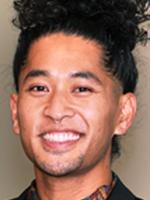
Ariel
Gubatina, Jr., MS
Instructor of Anatomy (OCIS Baton Rouge)
Email: agubat@lsuhsc.edu
Office: 3211
|
Bio
Ariel Gubatina Jr. is an experienced anatomist, educator, and dissector with a broad background in and adjacent to medicine. For more than a decade, he has served as an advocate for donors while teaching anatomy in graduate health programs, leading K–12 outreach initiatives, and working in the transplant industry. He earned his Master of Science in Applied Anatomy in Cleveland, OH, from the renowned Case Western Reserve University.
Working with the director of medical anatomy and the Microsoft HoloLens, he helped create the digital equivalent of the anatomy lab curriculum for the pilot study preceding the 2019 launch of HoloAnatomy. These modules later formed the foundation of the mixed-reality curriculum implemented by the university to address the urgent need for anatomy education during the COVID-19 pandemic in 2020.
Immediately after graduation, his alma mater contracted him as a dissector to curate and prepare a specialized teaching collection, now used annually for the head and neck anatomy segment. After returning to his home state of California, he worked as a technician in the organ donation sector, supporting donors wishing to contribute to transplant after their passing.
Most recently, as the anatomy specialist at DMU, he contributed to instruction, research, mentorship and the university’s anatomy outreach efforts. In recognition of this work, he received the Staff Service Award, the Diversity Champion Award, and the Student Organization of the Year Award for the outreach group he advised. Mr. Gubatina now serves as faculty at Louisiana State University’s Baton Rouge campus, coordinating anatomy for its nationally recognized Bachelor of Science in Nursing (BSN) program.
A prolific collaborator, Ariel has published in journals focused on comparative anatomy, medicine, and education. His work also includes guest presentations for pre-medical high school programs, visiting faculty roles in veterinary education, and service as a research dissector for an endangered species.