
Our Programs
Application information
| LSU Health Sciences Center - New Orleans (LSUHSC-NO) School of Nursing participates in a Centralized Application Service for Nursing Programs (NursingCAS). Applicants will apply online using the NursingCAS application. To learn more about the NursingCAS application process, please visit the NursingCAS web site at https://nursingcas.liaisoncas.org/apply/. |  |
Application Requirements
Please visit the NursingCAS website at https://nursingcas.liaisoncas.org/apply/to complete the online NursingCAS application. Search for LSUHSC-NO School of Nursing in New Orleans, LA. If an applicant has any concerns about the on-line application and needs technology support, please contact the NursingCAS support staff by email:nursingcasinfo@nursingcas.org or phone: 617-612-2880.
Official transcripts from all regionally accredited colleges or universities attended must be submitted to NursingCAS. LSUHSC-NO School of Nursing encourages applicants to submit the application and forward official transcripts to NursingCAS at least three weeks prior to the deadline to ensure timely processing. An applicant may check the application status through the NursingCAS system. All transcripts from programs outside of the United States must be evaluated by an accredited credentialing evaluation service. LSUHNO School of Nursing recommends the following resources:
-
- World Education Services: www.wes.org
- Educational Credential Evaluators, Inc: www.ece.org
All applicants must meet the admission criteria of the program for which they are applying. This may include the submission of additional application items including test scores, references, and other documentation. To view admission criteria, please visit the webpage for that specific program.
Application Deadlines
| BSN Concentration | Deadline for Fall Admission | Deadline for Spring Admission | Deadline for Summer Admission |
| Traditional BSN - New Orleans Campus | March 31 | August 31 | N/A |
| Traditional BSN - Baton Rouge Campus | March 31 | August 31 | N/A |
| CARE Accelerated BSN - New Orleans Campus | January 31 | N/A | N/A |
| CARE Accelerated BSN - Shreveport Campus | March 1 | August 31 | N/A |
| RN to BSN | June 30 | October 31 | April 30 |
| MSN Concentration | Deadline for Fall Admission | Deadline for Spring Admission | Deadline for Summer Admission |
| Clinical Nurse Leader | June 1 | November 1 | March 1 |
| Nurse Educator | June 1 | N/A | March 1 |
| DNP Concentration | Deadline for Fall Admission | Deadline for Spring Admission | Deadline for Summer Admission |
| Adult Gerontology Clinical Nurse Specialist | June 1 | November 1 | March 1 |
| Nurse Anesthesia | N/A | N/A | June 1 (1 year prior to admission term) |
| Nurse Midwife | June 1 | November 1 | April 1 |
| Nurse Practitioner | N/A | N/A | January 31 |
| Executive Nurse Leader | June 1 | November 1 | March 1 |
| Public/Community Health Nursing | June 1 | N/A | March 1 |
| Post-Master Nurse Educator DNP (Online) |
June 1 | November 1 | N/A |
| Post-Master Nurse Midwife DNP (In-Person) |
N/A | N/A | March 1 |
| Post-Master DNP - All other concentrations (In-Person) |
June 1 | N/A | March 1 |
| Deadline for Fall Admission | Deadline for Spring Admission | Deadline for Summer Admission |
| June 1 | N/A | N/A |
Additional Information
Nursing education requires that the accumulation of knowledge be accompanied by the
acquisition of skills, professional
attitudes, and behavior so that the graduate may assume specific role responsibilities
in a safe and competent manner. LSU
Health New Orleans (LSUHNO) School of Nursing provides graduates with a broad and
basic preparation for professional
nursing practice.
The LSUHNO School of Nursing complies with the Americans with Disabilities Act and
has determined that certain
technical standards must be met by prospective candidates and students. Reasonable
accommodation will be made for
otherwise qualified persons with disabilities. All individuals must be able to perform
independently; therefore, an
applicant to the program must possess and be able to demonstrate the skills, attributes,
and qualities set forth below,
without unreasonable dependence on technology or intermediaries.
Observational Ability
Observation necessitates the use of the sense of vision and other sensory modalities.
The student must have visual acuity
and perception to make accurate observations, both close at hand and at a distance.
The student is expected to be able to
observe the patient holistically to accurately assess the presence of any illness
or an alteration of health.
To provide quality nursing care, the student is expected to possess functional use
of the senses of vision, touch, hearing,
taste, and smell. All data received by the senses must be integrated, analyzed, and
synthesized in a consistent and accurate
manner. Examples of this include, but are not limited to, the abilities to measure
intake and output accurately; work with
multiple tubes, drains, and monitoring equipment; visually assess patients and machines,
including color recognition;
make fine discriminations in sound and be able to hear alarms, emergency signals,
patient requests, or cries for help; and
assess by observations, palpitation, auscultation, and percussion. In addition, the
student is expected to possess the ability
to perceive pain, pressure, temperature, position, equilibrium, and movement.
Communication
The student is expected to be able to effectively communicate and receive communication,
both verbally, and non
verbally. This requires the ability to see, speak, hear, read, write, and effectively
utilize the English language. A student
must be able to relate to others regardless of social, emotional, cultural, and intellectual
backgrounds. A student must elicit
information, describe changes in mood, activity, and posture, and perceive nonverbal
communications. A student must be
able to communicate effectively, therapeutically, and sensitively with patients. The
student must be able to communicate
effectively and efficiently in oral and written form with all members of the health
care team. Examples of this include, but
are not limited to, the ability to explain treatment procedures, initiate health teaching,
document and interpret nursing
actions and patient responses, and maintain composure when discussing a serious situation.
Motor Function and Coordination
The student is expected to have the psychomotor skills necessary to perform or assist
with procedures, treatments,
administration of medications, and emergency interventions. The student is expected
to be able to perform gross and fine
motor movements required to provide holistic nursing care. The student is expected
to maintain consciousness and
equilibrium have the physical strength and stamina to perform satisfactorily in clinical
nursing experiences and to have the
functional use of the sense of touch, hearing, and vision. Examples of care that the
student must be able to perform
include, but are not limited to, turning, transferring, transporting, exercising the
patients, administering CPR,
administering medication, applying pressure to stop bleeding, suctioning of obstructed
airways, and performing physical
examinations, performing clean and sterile procedures, specimen collection, and venipuncture.
All students must be able to
sit, walk, stand, and maneuver in small spaces. Assessments may also require the student
to bend, squat, reach, kneel, or
balance. The student must be able to tolerate physically taxing workloads.
Behavioral and Social Attributes
The student is expected to have the emotional stability, maturity, and self-discipline
to fully utilize his/her intellectual
abilities, exercise sound judgment, complete assessment, and intervention activities,
and develop sensitive interpersonal
relationships with patients, families, and others responsible for health care. The
student is expected to have the flexibility
to function effectively under stress and to competently function in the face of uncertainties
inherent in the clinical setting.
Compassion, integrity, honesty, accountability, altruism, autonomy, and motivation
are necessary personal qualities.
Intellectual-Conceptual Ability
The student must possess critical thinking sufficient for sound clinical judgment,
develop problem-solving skills, and
demonstrate the ability to establish care plans and priorities. The student must possess
cognitive skills and learning
abilities to acquire, assimilate, integrate, and apply information. This includes,
but is not limited to, the ability to identify
cause-effect relationships in clinical situations; apply the nursing process; read
and comprehend health care information;
learn materials presented in class and apply it to patient care; measure, calculate,
analyze, and categorize; apply data based
on conclusions arrived through critical thinking; synthesize objective as well as
subjective data; and make decisions that
reflect consistent and thoughtful deliberation of the appropriate data.
E-mail and Computer Literacy
The principal method of communication in the Health Science Center is e-mail. All
students are expected to obtain an
LSUHSC computer account upon admission to the School of Nursing and to check their
LSUHSC e-mail frequently
(within a 24-hour period)for school-related communications. Students are responsible
for accessing information in a
timely manner.
Students must be computer literate and be able to perform basic computer, software,
editing, internet, and browsing skills,
such as the following.
- Locating, opening and closing files
- Using a word processor to create, edit and save documents
- Cutting, copying, and pasting text from one document to another
- Toggling between two applications
- Uploading and downloading files
- Finding and using the Internet browsers on our computer
- Configuring your browser to send e-mail
- Locating web sites when using a www address (URL)
- Searching the internet for specific topics
Each student must continue to meet all of the TECHNICAL STANDARDS set forth above.
A student may be denied
permission to continue in the nursing program if the student fails at any time to
demonstrate any of the required
TECHNICAL STANDARDS.
For Pre-Licensure Nursing Programs
The Louisiana State Board of Nursing (LSBN) completes a criminal background check as part of a clinical application process to approve nursing students to enter the clinical setting. If offered enrollment, any applicant for a pre-licensure program, must be able to complete this process and be cleared by LSBN
Accreditation
|
|
|
|

Why Choose LSUHSC Nursing?
Below you can find of few of the reasons that Lousiana State University Health Sciences Center - New Orleans School of Nursing is a great choice for your nursing journey.
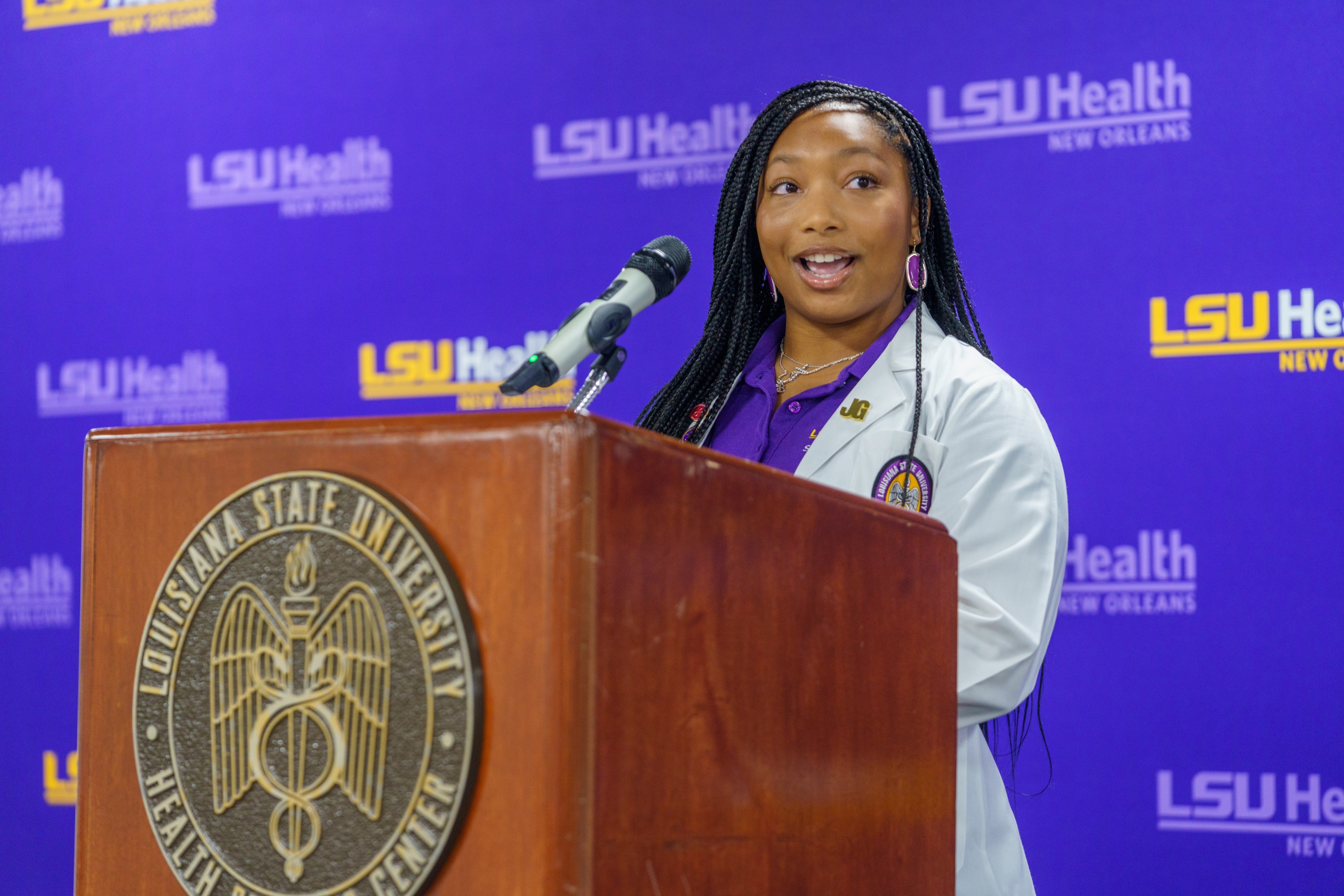
Complete your education at an NLN Center of Excellence.
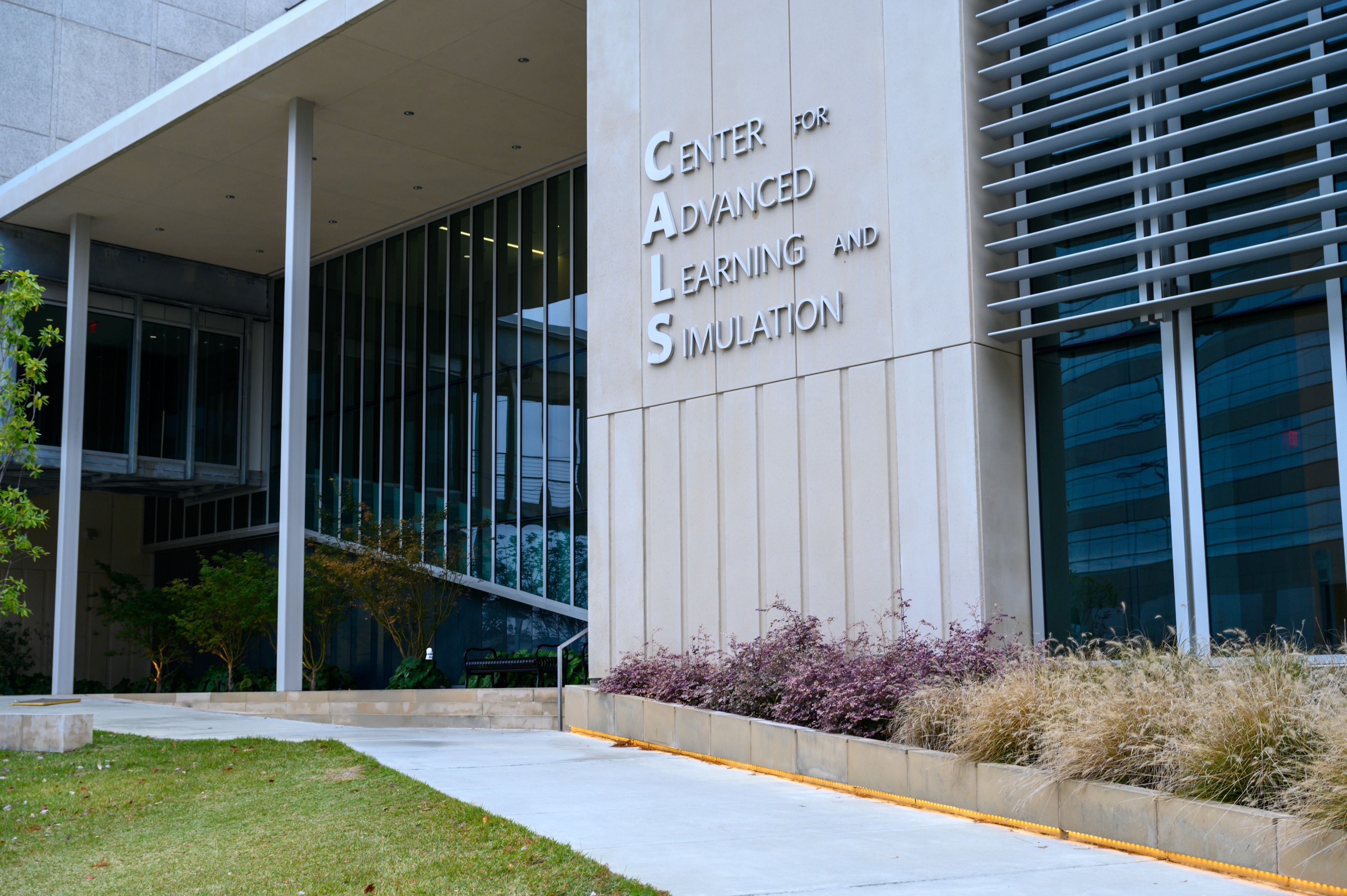
The only Louisiana school of nursing within a health sciences center.
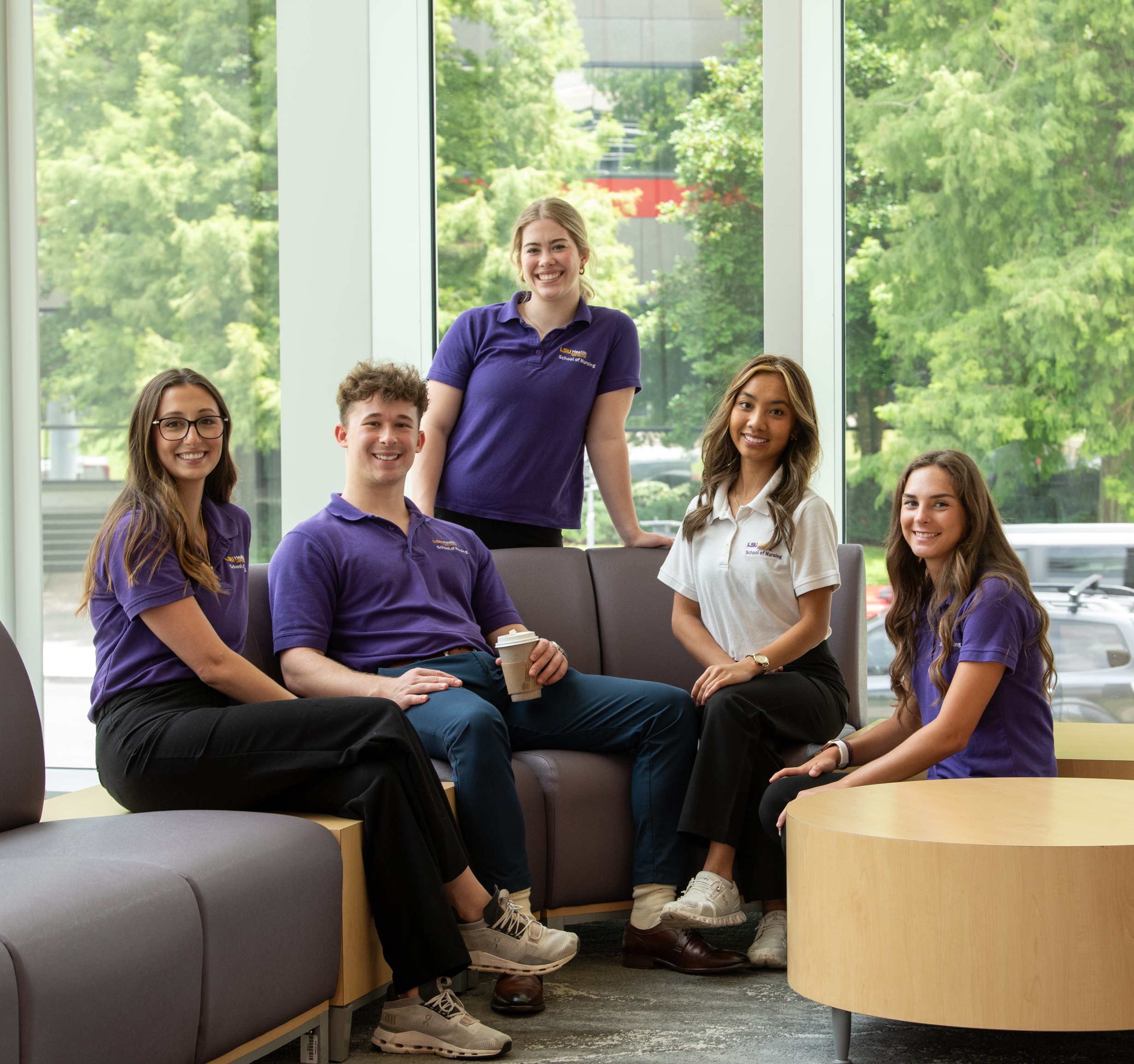
Grow as a nurse and a leader.

Live in one of America's most vibrant cities.
For over 300 years, the city of New Orleans has been one of the nation’s cultural capitals. Well known for Mardi Gras, there's no shortage of things to explore in between studies the year through. You’ll never be bored living here.